

Passengers & Crew hospitalised after flight turbulence

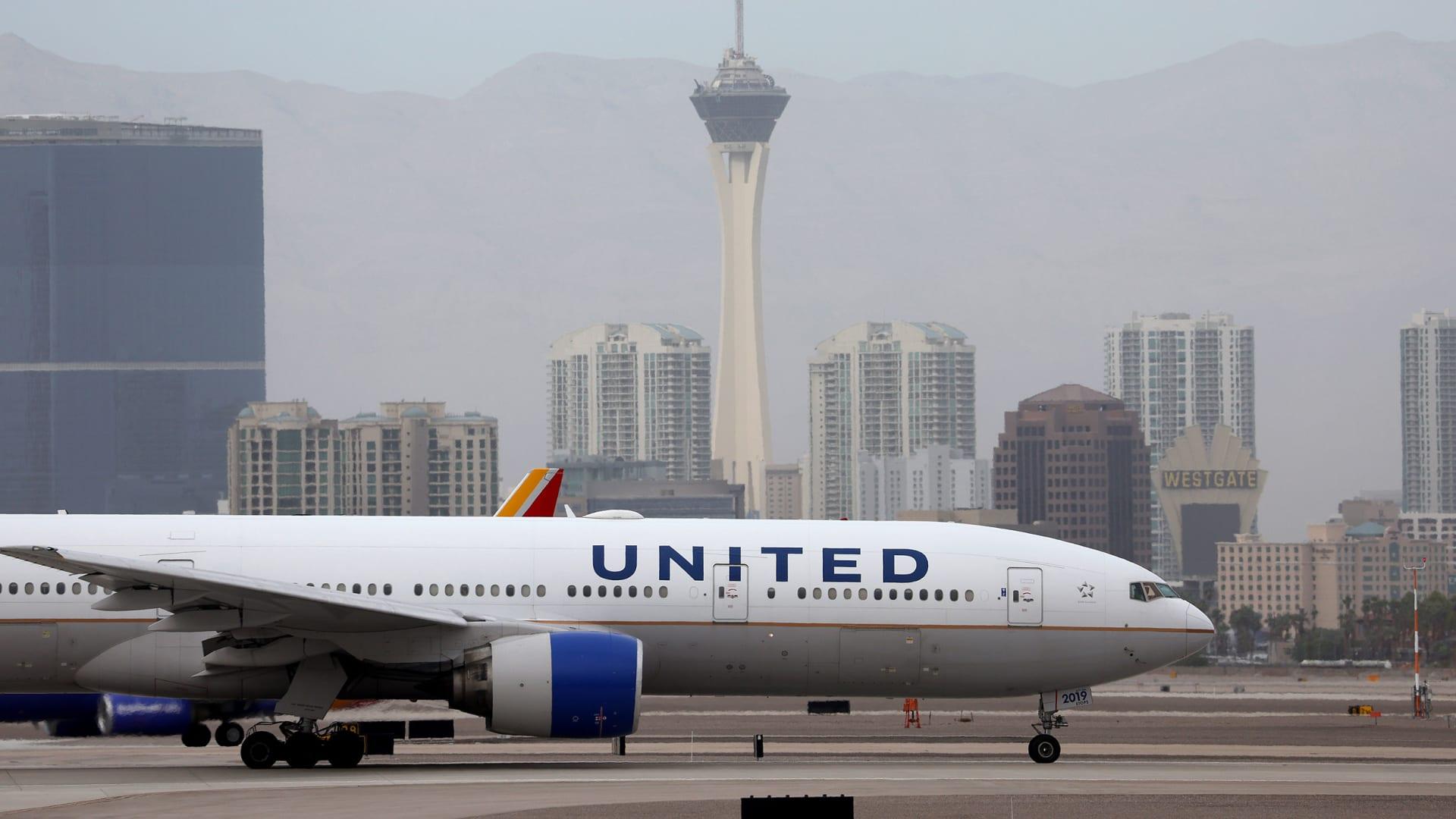
At least 3 people were injured on a United Airlines flight heading from Newark Liberty International Airport to Tampa International Airport on Thursday (Feb 9) night. The trio was taken to a hospital following turbulence on board one of the operator's Boeing 757 aircraft.
The Chicago-based carrier has confirmed that two passengers and one flight attendant were hurt amid the turbulence. According to FlightRadar24.com, flight UA600 was operated by a 757-200 with registration N13138. The aircraft was scheduled for a 19:52 flight but actually departed at 20:39. It then landed at 23:01.
As per data provided by ch-aviation.com, N13138 was delivered to Continental Airlines in December 1999. It has been under the United fold since its merger with Continental in 2010. The plane is fitted with 169 seats, split between 108 economy, 45 economy plus, and 16 business. In total, the unit has racked up over 85,000 flight hours and 20,211 flight cycles.
Challenging conditions
Turbulence is an everyday occurrence for most airlines across the skies, but most incidences are harmless. Still, there are rare cases of injury.
There were also reports of injuries on other flights throughout 2022, including when five passengers were injured on a Turkish Airlines A330 approaching Conakry, Guinea, in August. In the same month, turbulence on a Delta Air Lines A321 caused four injuries at 34,000 feet. Notably, there were more than 35 injuries on a turbulence-struck Hawaiian Airlines A330 flying from Phoenix to Honolulu in December.
Across the industry
All in all, the Federal Aviation Administration (FAA) previously revealed that there were 146 serious injuries from turbulence between 2009 and 2021. Aviation stakeholders are constantly determined to reduce the impact of turbulence. In the cockpit, pilots do their best to predict instances via several techniques, including weather radar, report filing, and the use of modern technology such as IATA Turbulence Aware. The latter allows airlines to access accurate, objective, plane-generated data to help operators know where turbluence and smooth air are.
In the cabin, flight attendants swiftly ask passengers to remain seated and strapped in to limit risk as soon as the flight crew advises of turbulence. However, as with this week's flight, unexpected events can still happen.
-B