

Air Arabia reports first half 2022 net profit of AED 451m

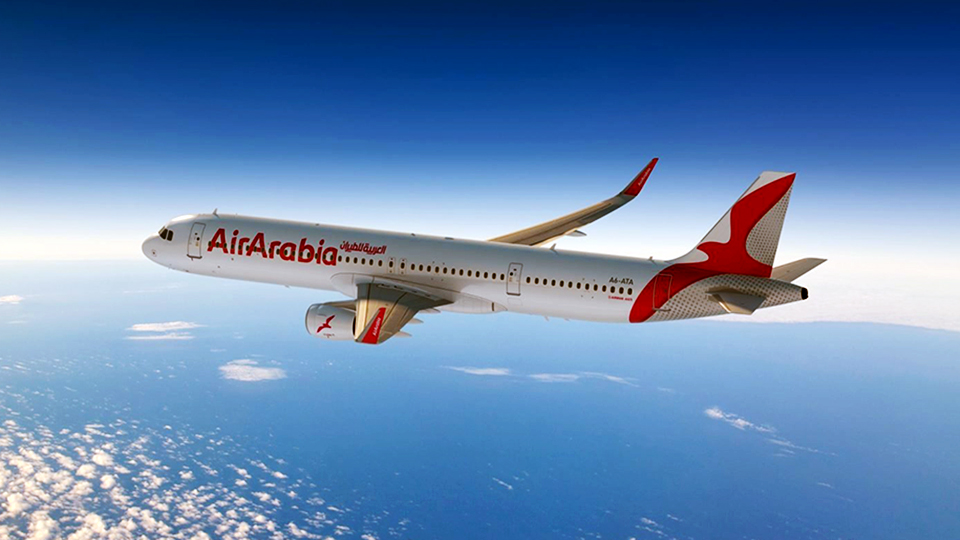
Dhaka: Air Arabia, the Middle East and North Africa’s first and largest low-cost carrier operator, recently reported a strong first half (January to June) 2022 as recovery in demand for air travel continued.
Air Arabia reported a net profit of AED 451 million for the first six months ending June 30, 2022, compared to AED 44 million registered in the corresponding first half 2021. In the same period, the airline posted a turnover of AED 2.24 billion, a 110 per cent increase compared to the corresponding first half of last year.
More than 5.2 million passengers flew with Air Arabia between January and June 2022 across the carrier’s five hubs, an increase of 131 per cent compared to the same period last year.
The airline’s average seat load factor – or passengers carried as a percentage of available seats – increased by 11 per cent during the first six months of 2022 and stood an average at 79 per cent.
During the second quarter ending June 30, 2022, Air Arabia registered a net profit of AED 160 million, compared to AED 10 million net profit reported for the same period last year.
The company’s turnover for the second quarter of 2022 increased by 125 per cent as demand for air travel increased registering an AED 1.11 billion, compared to AED 496 million in the corresponding period last year.
More than 2.7 million passengers flew with Air Arabia between March and June 2022 across the carrier’s five hubs, an increase of 195 percent compared the same quarter last year.
The airline’s average seat load factor increased by 13 per cent during the second quarter of 2022 and stood at an impressive average of 79 per cent.
On the occasion, Sheikh Abdullah Bin Mohamed Al Thani, Chairman, Air Arabia, said, “The solid financial and operational performance registered in the first half of this year is a testament to the strength of the business model we operate and the appeal to the value driven product that Air Arabia offers to our customers. The strong performance we witnessed in the first quarter of this year continued in the second quarter and was supported by higher customer demand and cost control measures adopted by the management team.”
- T