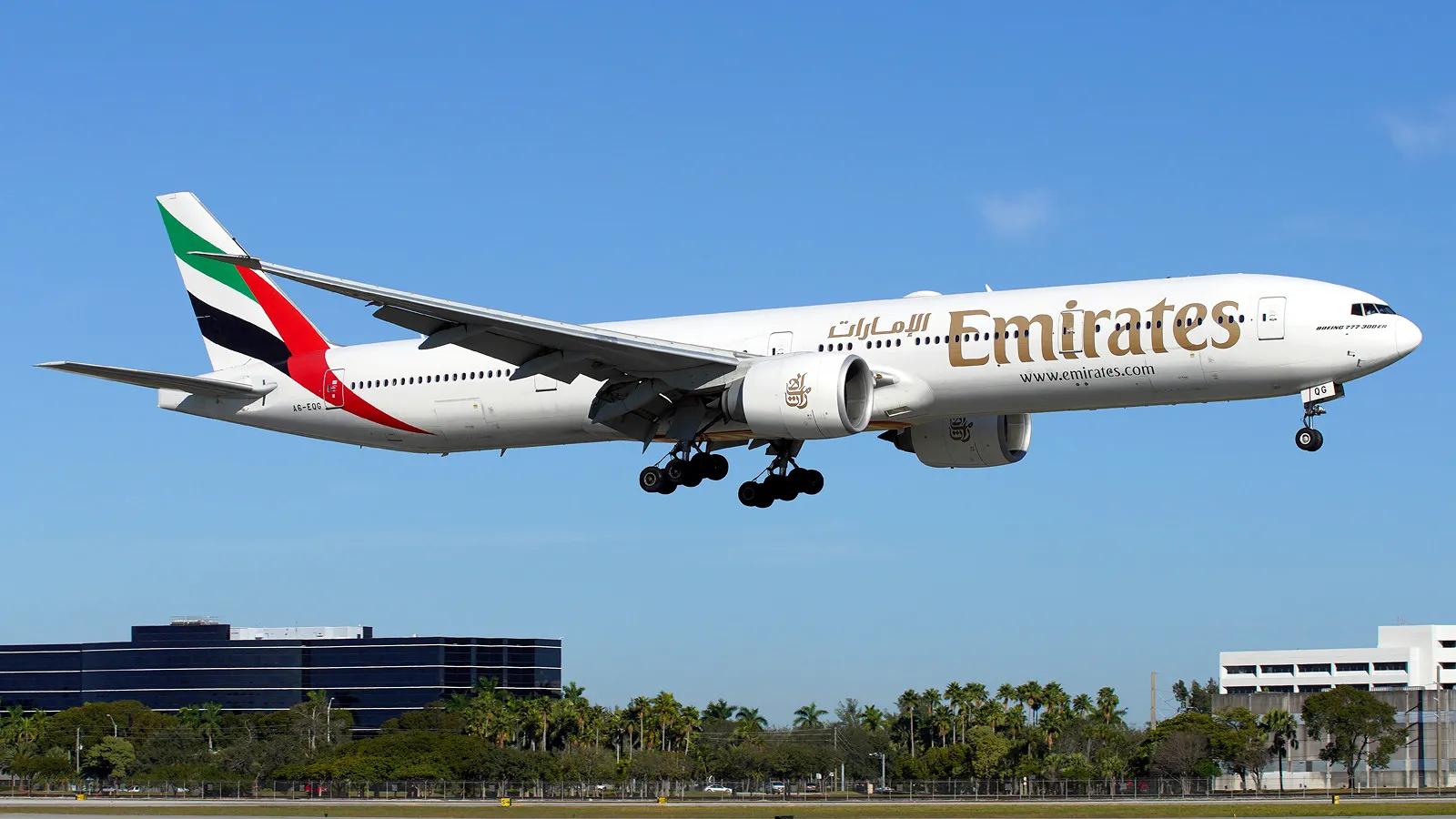


BFTI hosts focus group discussion on air ticketing market of Bangladesh
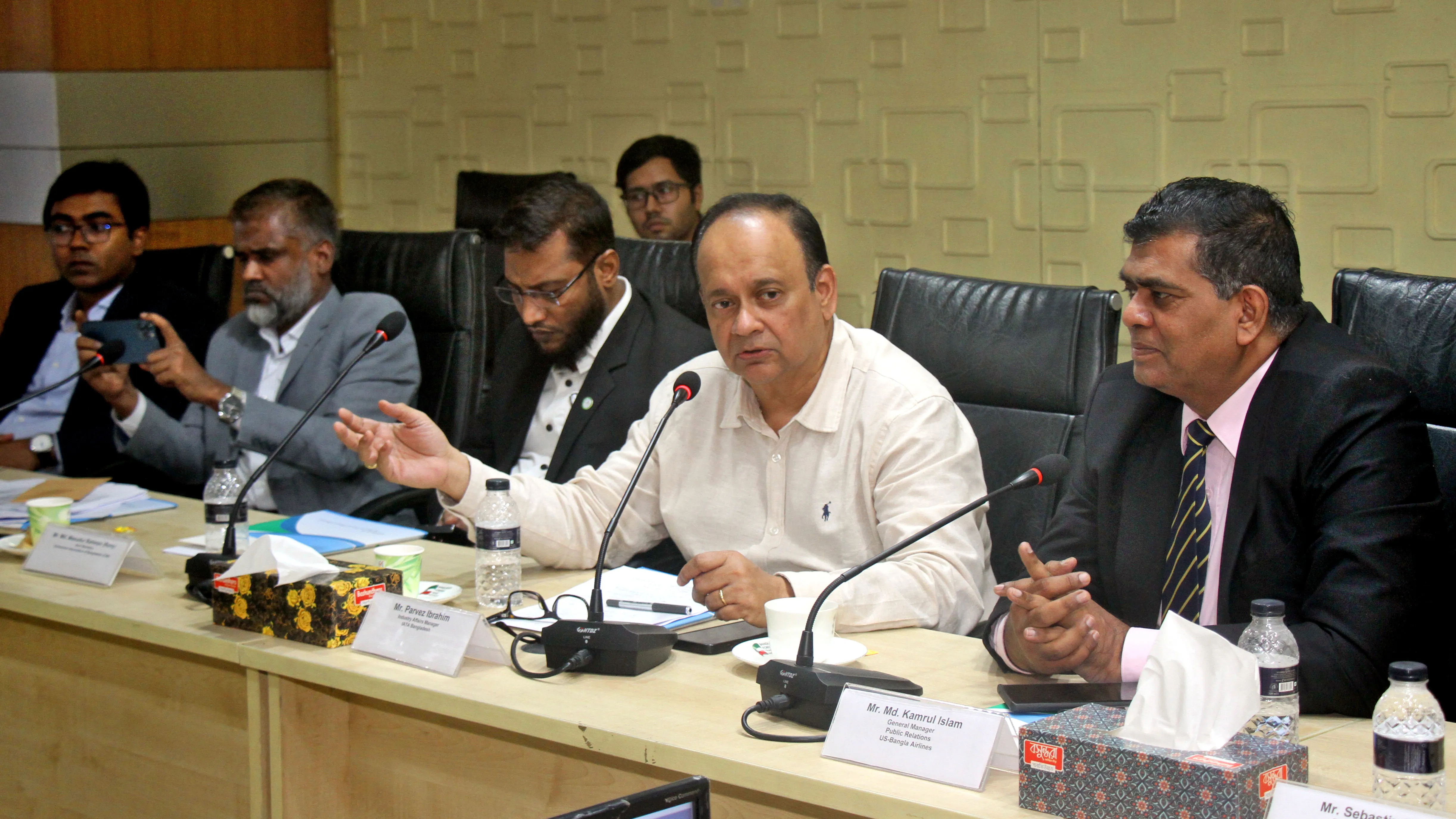
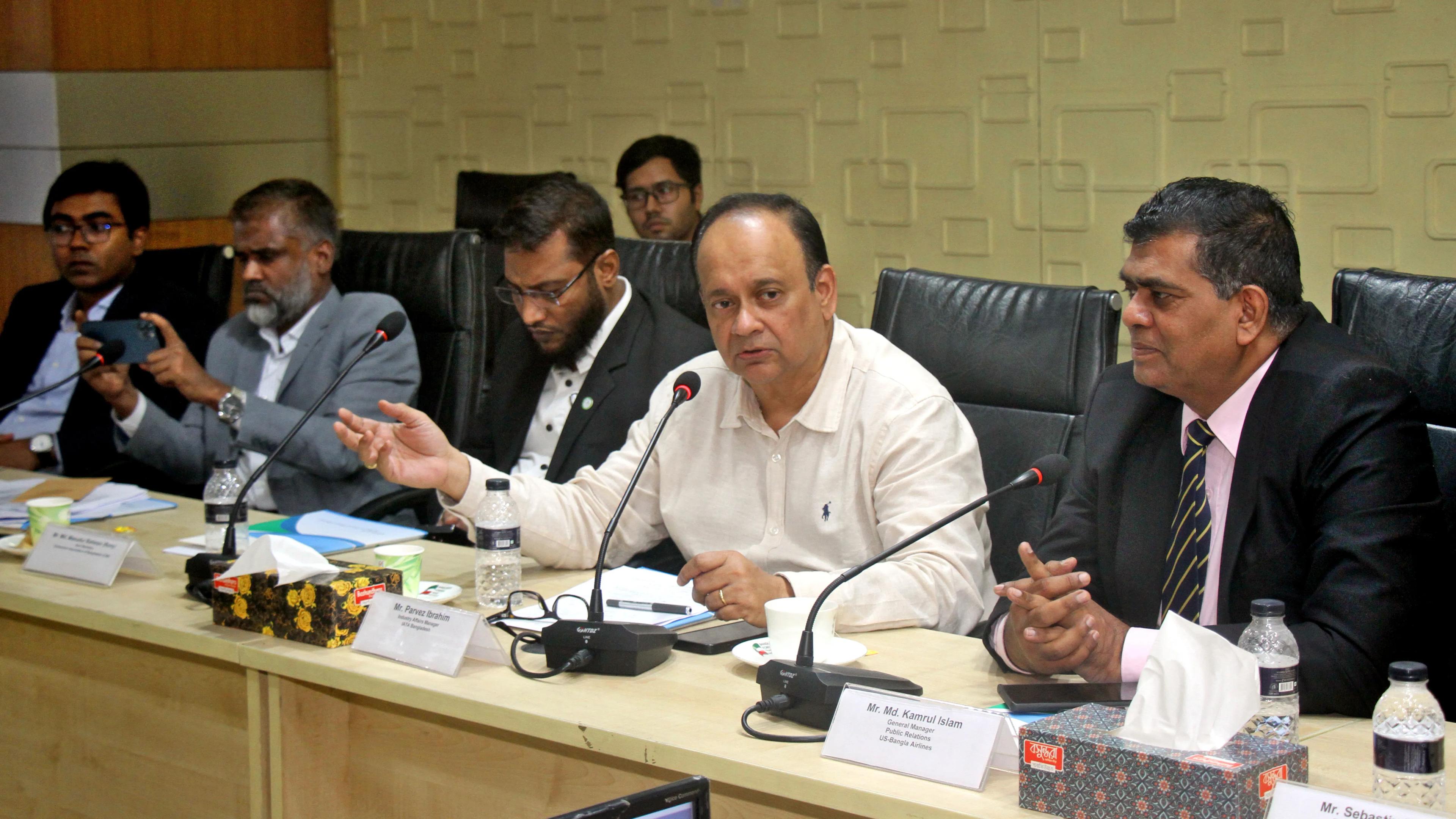
Dhaka: Bangladesh Foreign Trade Institute (BFTI), an autonomous research institute under the Ministry of Commerce, organized a focus group discussion (FGD) on a study titled "Competitive Landscape in Air Ticketing Market of Bangladesh" on May 20 at the institute's conference room at TCB Bhaban in the capital.
The study, which the government and Bangladesh Competition Commission assigned BFTI to conduct, aims to analyze the competitive dynamics of the air ticketing market of Bangladesh and identify the risks of anti-competitive conduct and collusive behavior. It also seeks to assess the market structure and concentration of the country's aviation industry and suggest regulatory reforms required for enhancing competition.
The session gathered representatives of leading airlines, general sales agents, travel agents, and the IATA, alongside other stakeholders of the aviation and travel industry. Senior officials of several government institutions, including Ministry of Commerce, Civil Aviation Authority, Hazrat Shahjalal International Airport, Competition Commission, and Directorate of National Consumer Rights Protection, were also present.
 Discussion focused on eleven key areas — Market Competition Dynamics, Route-based Competition, Pricing Behavior and Coordination, Price Adjustment Strategy, Key Cost Drivers, Communication and Incentive Influence, Agent Pricing and Markup Practices, Steering Behavior, Market Power and Industry Structure, Barriers and Future Outlook, and Policy Recommendations. The discussants deliberated on all these areas and shared insights on the industry.
Airline representatives said due to strategic considerations, flight frequency can not be adjusted despite fluctuating seasonal demands. During peak seasons, load factors on certain legs of round-trip flights to Bangladesh fall significantly, sometimes even below 5%, creating a severe directional imbalance.
Moreover, existing regulatory policies, higher charges and fuel prices, and limited facilities across airports further raise operational costs. These factors directly influence airfare and significantly increase it throughout the year so that operators can balance out the additional costs.
Travel agents noted that lack of understanding of airlines' dynamic pricing systems creates misconceptions among the passengers as they often tend to book tickets at the very last moment and blame travel agents for higher fares. Meanwhile, nonregistered travel agencies mislead customers with falsified information and further worsen the situation.
They revoked the alleged claim that travel agencies utilize GDS-based group bookings to charge higher prices from passengers, stating that such bookings are always made through airlines.
Government officials acknowledged the concerns of stakeholders and said efforts are already underway to implement necessary regulatory reforms. The FGD then collected feedback on other relevant details required for the study. BFTI said that it will communicate with the participants in the future for further consultation during the study.