

WWF urges the world to fight threat of plastics to oceans
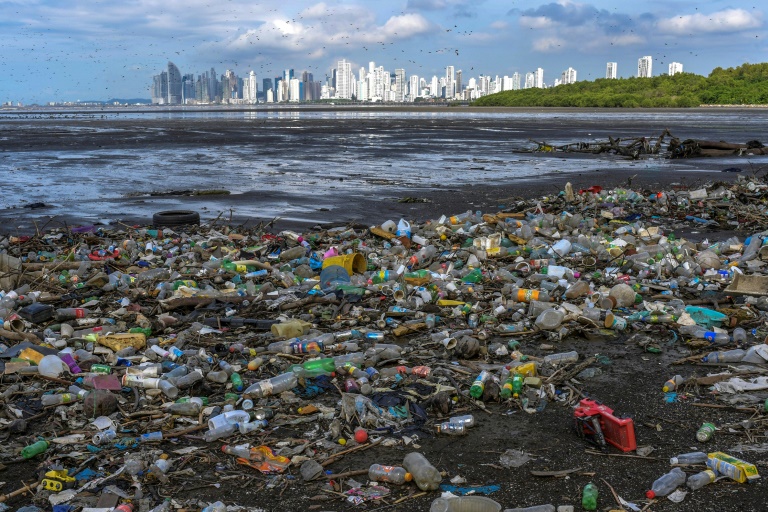
Plastic pollution is the most visible example of the havoc we’re causing to our planet. From our local beaches to the remote Arctic, it is choking our oceans and killing wildlife.
And it’s getting worse. Without a global response, there could be more plastic in the sea than fish by 2050. We need urgent action at the UN to stop the catastrophic decline of nature – including an immediate agreement which will stop the leakage of plastics into the oceans.
Tiny fragments of plastic have reached even the most remote and seemingly-pristine regions of the planet: It peppers Arctic sea ice and has been found inside fish in the deepest recesses of the ocean, the Mariana Trench.
There is no international agreement in place to address the problem, although delegates meeting in Nairobi for a United Nations environment meeting this month are expected to launch talks on a worldwide plastics treaty.
WWF sought to bolster the case for action in its latest report, which synthesises more than 2,000 separate scientific studies on the impacts of plastic pollution on the oceans, biodiversity and marine ecosystems.
The report acknowledged that there is currently insufficient evidence to estimate the potential repercussions on humans.
But it found that the fossil-fuel derived substance "has reached every part of the ocean, from the sea surface to the deep ocean floor, from the poles to coastlines of the most remote islands and is detectable in the smallest plankton up to the largest whale".
-B